

Creating beautiful designs and patterns on fabrics – nothing can be more exciting for a fabricaholic like me. I have studied a lot on the different ways of doing this – at home as well as outside professionally. Here is a list of the most popular methods used for fabric printing.

The beautiful swirls of patterns and designs on that pretty fabric you bought from the fabric store look seamless, effortless & easy. But fabric printing is anything but easy. It is challenging to achieve precision and perfection in details with durable and vivid colors on the surface of fabrics. Designing it is one task, and then getting it printed correctly and seamlessly and faultlessly is another. Here is a simple checklist I use to select the best fabric printing method for my sewing projects
| Your printing purpose | Printing method to use |
|---|---|
| Small batch printing with handmade patterns – DIY | Block printing |
| Simple DIY patterns | Stencil printing |
| Small motifs, decorative repeats, DIY | Stamp printing |
| Patterned effects | Tie dye for irregular patterns ; Batik or resist printing for patterned look |
| Print at home and ok for Applying printed designs with heat | Heat transfer printing |
| Want to print on polyester fabrics | Sublimation printing |
| Production level printing | Roller Printing /digital printing |
| Detailed multicolor designs | Digital Printing |
| Repeated designs and large batches | Screen printing |
If you are looking for ways to print on T-shirts, screen printing, direct to garment(DTG) and heat transfer vinyls are all popular. But different fabric and different designs ask for different printing techniques.
In the production process of textiles, patterns and designs are usually printed in the final stages. When you read about it, the printing process is simple enough – dyes or pigments are used to make those designs. But to make them stick there, separately without a mess, yard after yard – that is the tricky part.
The three most important types of textile printing methods are:
Direct printing: This involves printing directly onto the fabric’s surface with dyes/pigments.
Discharge printing: This removes colors from specific areas from an already dyed fabric by applying appropriate chemicals.
Resist-printing: In this printing, a special resist-paste is applied on the fabric in patterns and then fabric is dyed, so that the paste-applied areas will resist dyeing and appear as the base color. Batik and tie and dye are examples of this type of fabric printing.
EXPLORE MORE FABRIC PRINTING ARTICLES
I have tried to explain these processes more in detail below:
Engraved Roller printing
In engraved roller printing, the fabric is passed through design-engraved rollers in the printing machine in which dye is applied to the fabric. This is how most printed fabric is made – the rolls of fabric you buy to make clothes. The same high-quality print is made throughout the whole lot in the same way, which is an advantage of this printing. A separate roller is used for different colors.
After it is printed, the fabric is passed through processes of drying and steaming to set the dye. You can print as much as 120000 yards of fabric in a day with a single machine and any intricate pattern you have in mind with precision and perfection.
Screen printing
This method is suitable for a variety of fabrics : Cotton, cotton blends, polyester. It is also possible to do screeen printing on some silk. Just ensure that the ink being used is suitable for the fabric.
Screen printing is a direct fabric printing method in which screens / mesh/ films are used to transfer patterns onto the fabric. It involves the use of a porous mesh screen which is stretched over a frame. In screen printing, a design stencil is made of porous nylon fabric. The areas which do not have prints are covered, and then the screens are placed on the fabric. A wooden squeegee is used to work the color through the porous screen onto the fabric.
Stencil printing
Stencil printing involves using stencils cut in the shape of the designs. The stencils are made of metal, wood, paper, or plastic. The dye/color is applied to the spaces cut inside the stencil.
This method needs a smooth surface ; Best to print on smooth cotton, linen.
Block printing
Block printing is the method of creating prints with a block of wood, copper, or other material bearing a design. Metal or wooden blocks are carved in the design and dye is applied to the carved design. This is then pressed and applied to the face of the fabric.
Spray printing: As the name suggests, controlled spraying uses specialized sprayers to transfer dye onto the fabric. A spray gun is used to force the color onto the fabric through screens.
Best for Cotton, linen and other natural fabrics with a smooth surface.
Heat transfer or thermal transfer printing
This method involves a printing machine and a heat press machine to transfer designs on fabric. This is one of the most inexpensive methods used in the garment printing business – think thousands of t-shirts printed this way with logos and messages.
Any fabric that can take high heat will work with method.
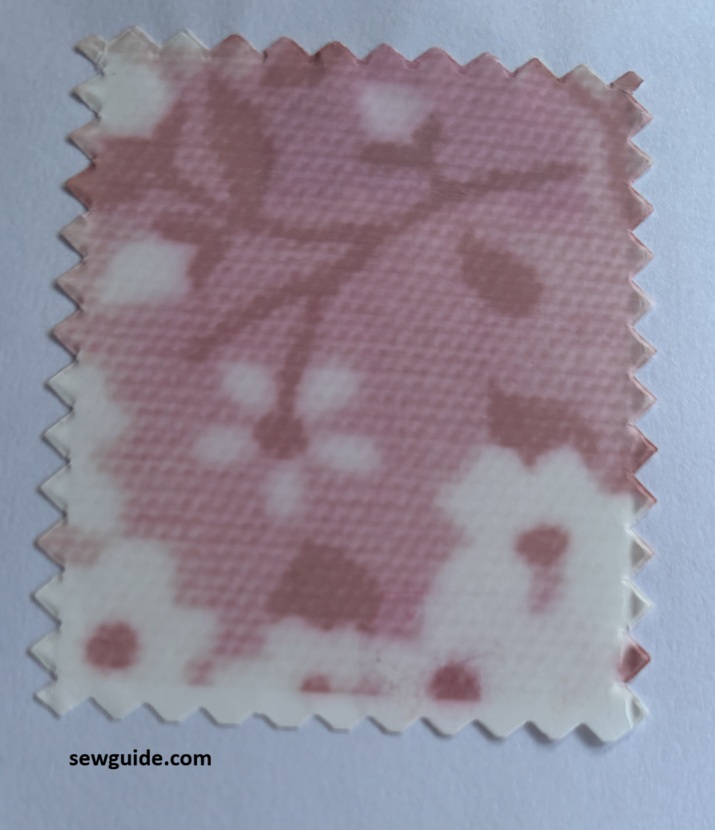
Direct printing is all about applying color directly onto the surface of fabric in specific patterns or designs using dyes, pigments, or inks..
In this printing process, the printing is done on paper first, and then this design on the paper is transferred to the fabric surface by passing the paper and fabric through hot rollers.
Direct to garment digital printing (DTG)
DTG is a direct printing process in which digital designs are printed directly onto the fabric. It uses inkjet technology to print high-quality detailed images onto garments, especially cotton T-shirts. You can use it on most of the fabrics – cotton, linen, polyester, silk…
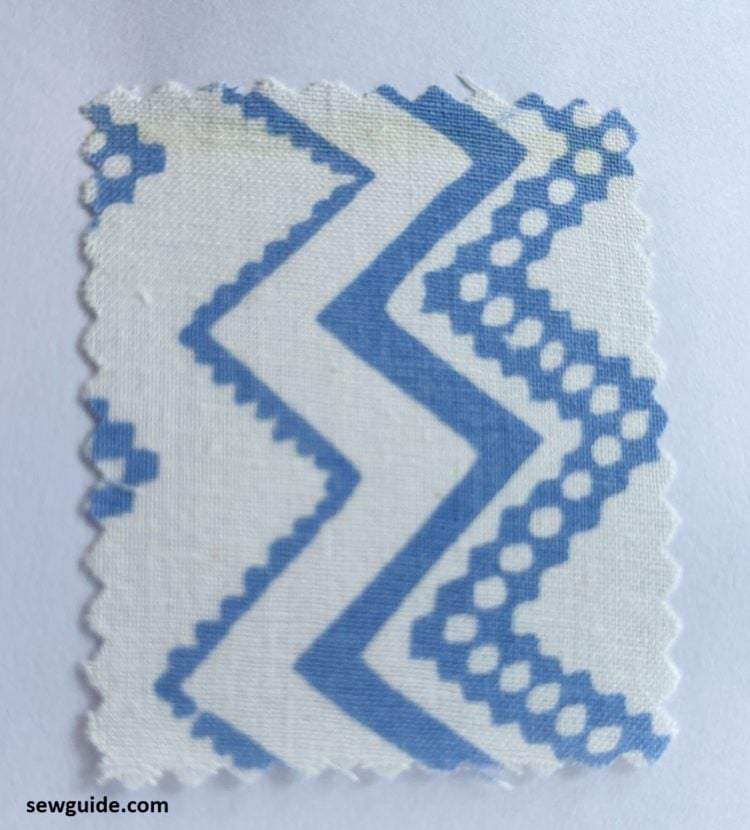
Direct printing can be used to print highly detailed artwork without losing fabric softness.
This printing method is ideal for small orders and complex multicolor designs because there is no need for screens or setup costs. Water-based inks are commonly used, resulting in soft-feel prints.
Sublimation printing
Sublimation printing uses heat to transfer dye directly into polyester fabric fibers. The print becomes part of the fabric instead of sitting on top of it.
This produces vibrant, durable prints that do not crack or peel.
It works best on light-colored polyester fabrics. White polyester t-shirts are printed with this method.
Discharge printing
Discharge printing removes dye from previously dyed fabric using chemicals and replaces it with another color if desired. This technique creates very soft prints because the dye becomes part of the fabric.
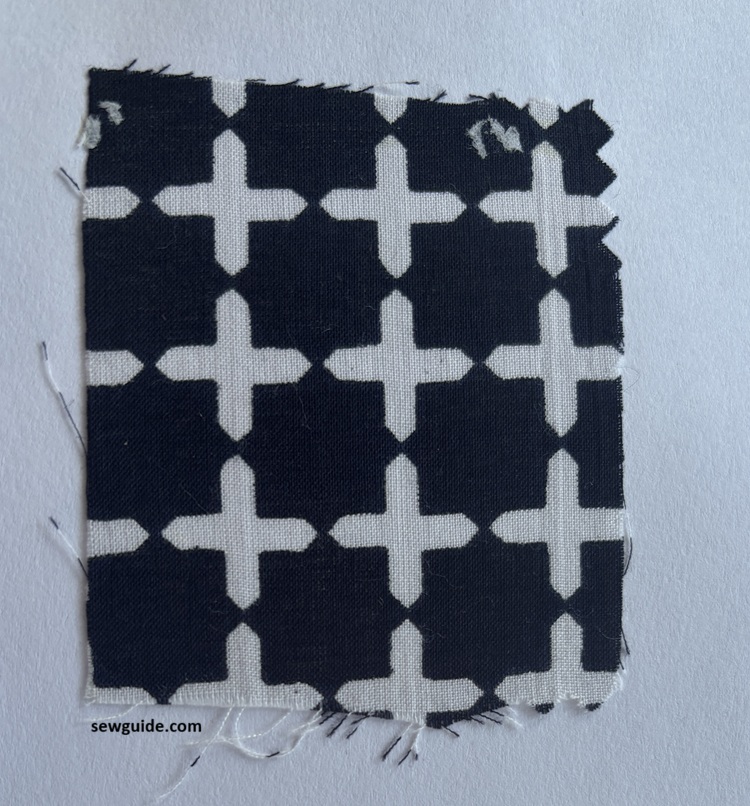
Discharge printing creates exceptionally soft, breathable, long-lasting prints that become part of the fabric itself.
Pigment printing
Pigment printing uses pigments instead of dyes. The pigments are attached to the fabric surface using binders.
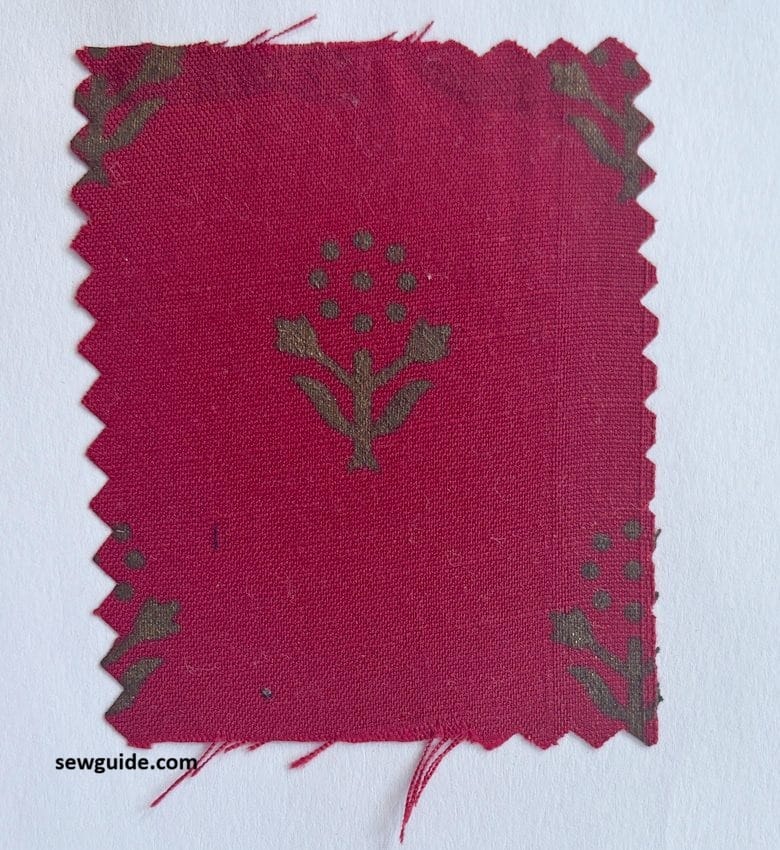
Pigment printing places color on top of the fabric surface using binders and pigments.
This method is popular because it is economical and works on many fabric types. It also provides good color fastness.
Reactive printing
Reactive printing uses reactive dyes that chemically bond with the fabric fibers. This results in excellent wash fastness and bright colors.
Reactive printing is widely used on cotton and natural fiber fabrics.
Foil printing
Foil printing adds a metallic foil layer to the fabric surface using adhesive and heat. It creates shiny reflective designs often used in fashion garments.
This method is mostly decorative and may require careful washing to preserve the foil finish.
Flock printing
Flock printing creates a raised velvet-like texture on the fabric surface. Tiny fibers are applied to adhesive in the desired design pattern.
The result is a soft textured print commonly used for decorative fashion designs.
Plastisol printing
Plastisol printing uses PVC-based inks that sit on top of the fabric surface. It is one of the most common printing methods used for T-shirts.
The prints are durable, vibrant, and opaque even on dark fabrics. However, the print may feel heavier than water-based prints.
Water-based printing
Water-based printing uses inks that soak into the fabric fibers, resulting in a softer feel compared to plastisol printing.
It works especially well on light-colored garments and is considered more eco-friendly.
Burnout printing
Burnout printing uses chemicals to dissolve certain fibers in blended fabrics to create semi-transparent patterns and textures.
This technique is commonly used in fashion garments for decorative effects.
Embossed printing
Embossed printing creates raised patterns on fabric surfaces using heat and pressure.
This decorative technique adds texture and dimension to fabrics.
Resist printing
Resist printing uses substances that prevent dye from reaching specific parts of the fabric. After dyeing, the resisted areas remain uncolored or differently colored.
Batik and tie-dye are classic examples of resist printing methods.
Photographic printing
Photographic printing reproduces photographic images onto textile surfaces with high detail and color accuracy.
Digital textile printing technologies are commonly used for this purpose.
Related posts:



So interesting i learned so much about printing after reading this. It is so amazing and it is great knowing the advantages and disadvantages about printing
amazing
so interesting and has made me understand printing
Great to know that there are so many ways to print on fabric, the advantages and disadvantages! Thank you!!!
Can you patterns to already made clothing, or does it have to be only raw fabric, to make a design on clothing.
Yes, patterns can be printed onto both raw fabric and already made clothing. If you have an already printed garment you can apply your designs using heat transfer printing (using iron-on transfers or a heat press), fabric markers, and direct-to-garment (DTG) printing – just be careful about the visibility on your design on the already printed fabric.